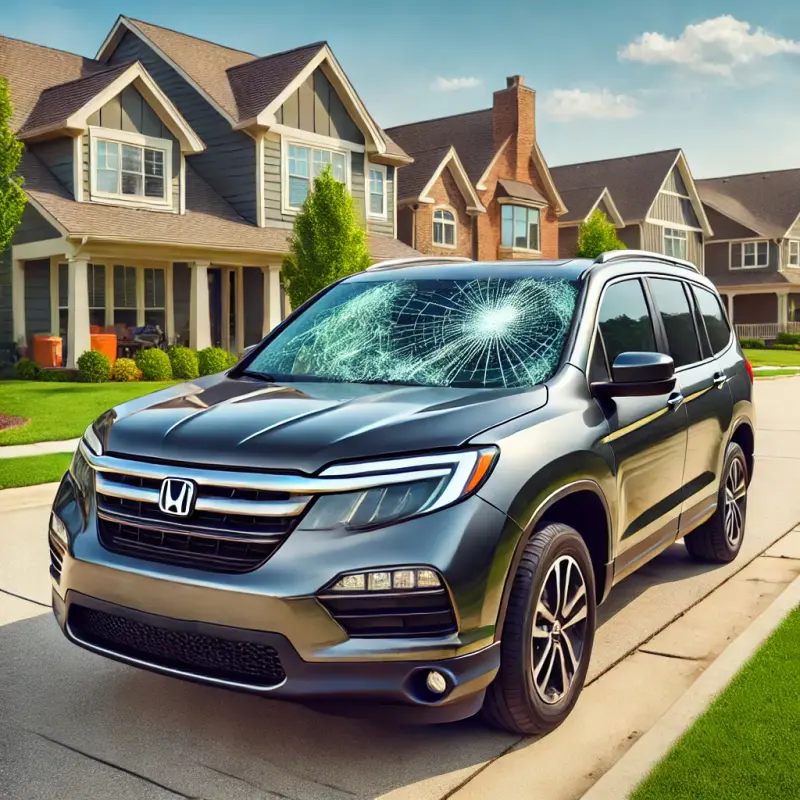
A cracked windshield rarely picks a convenient day. It shows up after a chilly morning on Two Notch Road, a sudden rock strike on I‑26, or a lingering chip that spreads during the first real heat wave. I’ve spent years around auto glass in and around Columbia, and I’ve seen just about every flavor of damage: hairline cracks that creep across the passenger side, a star break directly in the driver’s line of sight, and those odd edge chips that look harmless but undermine the entire windshield. Folks often ask the same question once we confirm a replacement is the safe route: should I go with OEM glass or something close to it? The short answer is that OEM‑equivalent glass is usually the sweet spot, offering the fit, clarity, and safety you need without paying a premium for a logo on the corner.
What follows is a practical guide to choosing correctly and working smoothly with an auto glass shop in Columbia. It blends shop-floor detail with what matters on the road, from safety sensors to humidity, insurance, and even how long to wait before washing the car again.
What “OEM‑Equivalent” Really Means
OEM stands for original equipment manufacturer. When the vehicle was first assembled, the glass came from a supplier that met the automaker’s specifications for thickness, curvature, optical quality, UV filtering, acoustic dampening, and more. Some drivers assume anything not marked with the automaker’s logo is inferior. That is not always true.
OEM‑equivalent glass is produced by the same or comparable manufacturers to the same technical specifications and tolerances, minus the automaker’s branding. In practice, that means a windshield that matches the curvature profile, thickness, tint, and ceramic frit pattern, and that integrates with sensors and cameras designed into the vehicle. The difference you pay for “OEM” sometimes rests on branding and distribution channels, not meaningful quality improvements.
A word of caution: aftermarket is a broad label. There is reputable aftermarket that meets or exceeds DOT and automaker specifications, and there is bargain glass that meets the minimum legal standards but falls short on clarity, fit, or acoustic comfort. When you choose OEM‑equivalent, you are intentionally targeting the first category. That distinction matters when you care about advanced driver assistance systems and a cabin that doesn’t buzz at 60 mph on I‑77.
The Safety Piece You Can’t See
Windshields do more than block wind. On modern vehicles, the windshield is part of the structural cage. When bonded correctly with a proper urethane, a windshield helps keep the roof from collapsing as quickly during a rollover, and provides a backstop for airbag deployment. I’ve seen airbags punch outward against a poorly bonded windshield, which then separated and failed to support the bag. That is not a glass brand issue alone, but the bond quality and the exact fit of the glass can influence how the urethane sets and how load transfers in a crash.
OEM‑equivalent glass maintains the geometry and surface quality needed for a consistent bond line. If the curvature is off, even by a few millimeters, the tech may have to push or clamp harder to seat the glass, which can stress the adhesive and create uneven bead thickness. Over time, this can lead to water leaks, wind noise, or, worst case, reduced structural performance in an impact.
Why Clarity and Distortion Matter on Columbia Roads
Optical distortion shows up as a subtle wave or bend when you’re looking at lane markings or traffic lights, particularly near the edges or lower portion of the windshield. On a clear day, most drivers won’t notice slight distortion. At dusk in a sudden Midlands downpour, the halo around headlights can make the same imperfection exhausting. OEM‑equivalent glass is made to stricter optical standards that minimize wavy lines, lensing, and double images. For those of us who drive long stretches of I‑20 with tractor‑trailers nudging the pace, less eye strain adds up.
If your car uses a head‑up display, the glass needs a specific laminate that reflects the projected image correctly. A generic windshield can make the HUD look fuzzy or doubled. With OEM‑equivalent, you can specify a HUD‑compatible windshield, often at a lower price than a dealer‑supplied OEM pane.
ADAS Sensors, Cameras, and Why Calibration Isn’t Optional
Many vehicles built in the last five to seven years use a forward-facing camera mounted to the windshield. That camera reads lane lines, watches for pedestrians, manages adaptive cruise, and talks to emergency braking. The glass in front of it needs the correct bracket, the right shade band or ceramic mask, and the proper transmission for infrared and visible light, or the camera sees a skewed world.
Whenever you do a windshield replacement Columbia drivers can trust, the job is only half done until the ADAS calibration is complete. There are two flavors: static and dynamic. Static calibration uses targets, laser alignment tools, and a controlled environment. Dynamic uses a road drive at specified speeds under certain conditions. Some vehicles need both. In our part of South Carolina, dynamic calibrations can go sideways if the roads are wet, the lane paint is faded, or traffic won’t permit steady speeds. A good auto glass shop Columbia motorists rely on will schedule calibration windows with decent weather, explain what the system needs, and verify the results, not just clear a dash light and call it good.
OEM‑equivalent glass that matches the correct spec for the camera window reduces the risk of calibration failures. If you change tint or go with an incompatible shade band, the camera can misread contrast on US‑1 in heavy glare. I’ve watched a system that behaved perfectly with the right glass throw false lane departure warnings ten minutes into a rainstorm after the wrong part was installed. The fix was not software, it was the windshield.
The Role of Columbia’s Climate in Adhesives and Cure Times
We get humidity. We get summer heat that bakes parked cars. Both matter for urethane cure. The bonding adhesives most shops use are moisture‑curing. High humidity can speed up skin formation but can also trap solvents if the bead is too thick or the glass isn’t seated cleanly. In August, a mobile auto glass Columbia tech might be grateful for a little breeze, but the wind throws dust and pollen that can contaminate the bond.
Plan for a safe drive‑away time that reflects real conditions, not just a generic one‑hour claim. Many premium urethanes reach minimum airbag‑safe cure in 30 to 90 minutes under ideal lab conditions. Out in the parking lot off Garners Ferry, you want a conservative window. A careful tech will check the product’s chart for temperature and humidity, measure bead height, and give you a realistic time before driving. If you pressure‑wash or visit a touchless car wash too soon, you can force water past the outer bead and invite future leaks.
When a Repair Beats a Replacement
Nobody wants to replace a windshield if a simple fix will do. Windshield chip repair Columbia technicians can stabilize a small “bull’s‑eye” or “star” break in 20 to 40 minutes, often covered by insurance with no deductible. The general guardrails are straightforward: the damage should be smaller than a quarter, not directly in the driver’s primary viewing area, and not deep enough to breach the inner layer. If the crack branches more than three inches, or if there’s an edge crack, replacement becomes the safer call.
A well‑done repair doesn’t make the blemish vanish, but it restores integrity and stops the chip from spreading when morning shade turns to afternoon heat. If you’re deciding on auto glass services Columbia shops offer, ask whether they use high‑quality resins and UV curing, and whether they’ll decline a repair that should be a replacement. The honest answer saves headaches later.
Why OEM‑Equivalent Makes Financial Sense
Prices vary by vehicle, but the gap between OEM and OEM‑equivalent can range from 10 to 40 percent. On a mainstream sedan, that might be $150 to $250. On a luxury SUV with acoustic interlayer and HUD, the difference can be much larger. Insurance policies often cover windshield replacement Columbia drivers need under comprehensive coverage, subject to a deductible. If your deductible is $500, choosing an OEM‑equivalent windshield that costs $450 less than OEM can be the difference between paying out of pocket and having the claim cover nearly everything but calibration.
Shops that work with insurers know the dance. They can verify coverage, file the claim while you wait, and schedule the calibration. What you don’t want is a shop steering you to the cheapest possible pane to squeeze a few dollars. The right auto glass shop Columbia residents recommend will explain the parts options, show the part numbers, and let you decide with clear information.
Mobile Service or In‑Shop: Which Works Better Here
Mobile auto glass Columbia technicians spend a lot of time on‑site at offices, schools, and driveways. For many straightforward replacements, mobile is convenient and just as sound as in‑shop work, provided the surface is level, the wind is manageable, and the weather cooperates. When a vehicle needs static ADAS calibration or when we expect a tricky removal with rusted pinch welds, in‑shop is safer. The controlled lighting and dust management help with bond preparation, and we have target boards ready for calibration.
If you’re scheduling mobile service, clear space around the vehicle, avoid sprinklers that can soak the area, and let the tech know about any cameras or rain sensors. A little prep shortens the visit and improves results.
The Details That Separate a Clean Install from a Good‑Enough Job
I pay attention to the way customers describe their last experience. The patterns are telling. When someone mentions a lingering whistle at 55 mph, water beading inside the A‑pillar, or a mirror mount that vibrates on potholes, those are avoidable outcomes.
A quality install starts with a dry run: the tech sets the glass without adhesive to verify alignment, gap uniformity, and sensor bracket position. After removing the old urethane, we “scrape, not grind” the pinch weld, leaving a thin layer of cured urethane to bond new to old, which is how modern adhesives are designed to work. Exposed metal gets primed to prevent corrosion, especially important on older trucks where the paint edge at the opening is already thin.
The urethane bead height must be consistent. Too low and the windshield sits shallow, creating a step at the molding. Too high and you can preload the glass, which can lead to stress cracks. On cars with tight cowl tolerances, a bead that varies by a couple of millimeters can telegraph as uneven trim. You might not notice it at pickup, but you will when washing the car or driving in a crosswind.
For vehicles with rain sensors, the gel pad or optical coupling has to be clean and bubble‑free. If you see a patchy rain sensor performance after a replacement, that’s often the culprit. On a few models, the auto high‑beam sensitivity can be thrown off by the wrong shade band tint. That is another reason to match the exact spec with OEM‑equivalent glass.
Working With a Local Shop: What to Ask
You do not need to interrogate a technician, but a few questions reveal whether you’re in good hands when arranging auto glass replacement Columbia can count on.
- Can you provide the part number and confirm HUD, acoustic, and sensor options on the glass? Will you perform and document ADAS calibration, and is it included in the quote? What urethane do you use, and what is the safe drive‑away time for today’s conditions? Do you prime fresh scratches on the pinch weld to prevent rust? What is your workmanship warranty, and how do you handle leaks or wind noise complaints?
If the answers come smoothly and the shop invites you to watch parts of the process, that’s a healthy sign. I prefer shops that photograph the old glass labels, the bead pattern before seating, and the calibration screen after the drive. Documentation protects both sides.
Making Sense of Common Terms on Your Estimate
Estimates often include line items that look cryptic if you don’t work with glass regularly. Here’s what they mean in practical terms. The glass itself may be listed with a brand and a string like “FW04095 GTY Solar Green, Acoustic, HUD.” That capsule tells you the tint, noise‑reduction interlayer, and head‑up compatibility, all necessary for a correct match. “Molding kit” covers the outer trim that frames the windshield. Some vehicles require new moldings every time, while others reuse the old trim if it is still crisp and unwarped. “Adhesive kit” or “urethane” is the mobile auto glass repair columbia bonding compound, and the good ones carry cold‑weather performance ratings so winter mornings do not stall installs. “Calibration” may be shown as static, dynamic, or both. If your vehicle has a camera behind the glass, expect to see this. Insist on it, frankly.
The Dealer vs. Independent Shop Decision
Dealers can supply OEM glass and know your model’s quirks. Independent auto glass shop Columbia options often beat them on scheduling speed and price, especially for OEM‑equivalent parts. Some independents are certified to perform calibrations to the same standards dealers use. On complex German or late‑model Japanese vehicles with multiple sensors and HUD, I’ve seen excellent results at both. What matters more is the technician’s repetition with your specific model. Replacing a Tacoma windshield is not the same as replacing a Volvo XC90 with lane tracing and heated camera park. Ask directly how many they’ve done in the past month or two.
The Rest of the Glass: Side Windows and Backlights
Windshields get most of the attention, but car window repair Columbia calls come in after break‑ins, lawnmower debris, and storms. Side windows are tempered, not laminated, which is why they shatter into pebbles. The fit and regulator alignment matter more than optical standards here. A smart tech will vacuum out the door cavity and check for glass crumbs near the drain holes to prevent rattles and water pooling. Backlights often include embedded defroster grids. OEM‑equivalent is usually the right choice for those as well, provided the connectors match and the curve is correct. Vehicle glass repair Columbia work that includes moldings, clips, and weatherstrips often takes longer than customers expect, less due to the glass than the trim complexity.
Insurance, Deductibles, and Realistic Timelines
Comprehensive insurance normally covers a cracked windshield Columbia drivers are stuck with after a rock strike or hail. Deductibles in our area often run from $100 to $500. Some carriers waive deductibles for chip repairs. Filing a claim usually takes 10 to 15 minutes if the shop helps, but authorization can delay scheduling a day or two if it is a weekend or holiday. Calibrations add time, not just for the process, but for weather and traffic conditions needed for dynamic procedures. If you’re pressed for time, ask for an early slot and avoid days with heavy rain.
When a part is backordered, the shop may offer a close substitute. This is where OEM‑equivalent shines. If the dealer‑branded pane is weeks out, there is often a functionally identical part on a different shelf. Confirm the features and go with it rather than driving around with a spreading crack that might fail inspection or compromise safety.
What to Expect on the Day of Service
The morning of your appointment, remove toll transponders and dash cameras from the glass. Snap a quick photo of your current windshield’s inspection and registration stickers if applicable so they can be transferred correctly. If we’re doing mobile service, try to park on a level driveway or lot. The technician will protect the interior, usually remove wiper arms and cowl panels, cut out the old glass, and prep the opening. After laying the bead and setting the new glass, the tech reinstalls trim, reconnects sensors, and calibrates if required. You’ll get instructions about avoiding car washes for a couple of days, cracking a window if parking in the sun, and how to watch for any leaks after the next rain.
How Columbia’s Roads Create Specific Failure Patterns
I keep notes on where failures start. On I‑26 between mile markers 107 and 113, the combination of construction grit and truck traffic makes chips common. Two Notch Road sees more lateral cracks from repeated thermal swings, likely due to shaded parking that turns to full exposure midday. On US‑378, the speed and occasional gravel shoulder flicks up shale that creates long edge cracks. These patterns don’t change your choice of glass, but they explain why windshield repair Columbia services stay busy, and why early chip repair prevents a higher bill.
When You Might Still Choose Full OEM
There are cases where full OEM makes sense even if OEM‑equivalent is available. If your vehicle is under a factory glass warranty tied to OEM parts, stick with it. If you have a rare model where HUD tuning is finicky and your dealer has a known good part that avoids ghosting, it can save return visits. Some luxury brands also bundle tint bands and acoustic packages in ways that only their labeled glass replicates exactly. The price jump is real, but the fit and features may justify it when your standards are uncompromising.
A Short Checklist for Choosing Well
- Match features, not just model: HUD, rain sensor, acoustic interlayer, tint band, heated elements. Verify calibration plan: static, dynamic, or both, with documentation. Confirm adhesive and drive‑away time for the day’s weather. Ask for OEM‑equivalent by brand and part number, not a vague “aftermarket.” Get a workmanship warranty that covers leaks and noise for at least a year.
The Payoff for Getting It Right
A windshield seems simple until it isn’t. The right glass, installed with care, turns invisible, which is exactly what you want. The cabin stays quiet. The ADAS camera reads the world correctly. The wipers sweep clean without chatter, and the rain sensor doesn’t kick to high speed when a sprinkler hits only half the glass. When you hit a pop‑up storm on I‑77 and the adaptive cruise behaves, you’ll be glad you chose well.
If you’re evaluating auto glass replacement Columbia options, prioritize a shop that can explain OEM‑equivalent choices clearly, handle calibration in‑house or with a trusted partner, and stand behind the work. Whether you go mobile or stop by an auto glass shop Columbia locals trust, insist on fit, clarity, and a documented process. For chips that can be saved, schedule windshield chip repair Columbia drivers use before the crack finds the edge. If side windows or back glass are involved, ask how they’ll protect interior panels, vacuum the debris, and test the defroster.
One last note from experience: don’t wait. A coin‑sized chip becomes a dollar‑sign crack faster than you expect when a cold morning turns to a 96‑degree afternoon. Give your future self the small favor of a quick repair or a proper replacement now. Between OEM‑equivalent glass, trained technicians, and a city full of capable auto glass services Columbia residents rely on, you have good choices. Choose the one that makes your windshield, and the worries about it, disappear.